

A $225,000 budget can open different doors depending on whether you focus on Seguin or Converse. The real difference is not just price per square foot, but also commute patterns, housing age, lot sizes, and how much updating you may need to budget for after closing. If you are comparing these two Texas markets, understanding where your money goes further can help you build a search strategy that fits both your finances and your day-to-day routine.
What “stretch further” really means at the $225K price point
When buyers compare Seguin and Converse, the first instinct is usually to ask which city has the lower list prices. That matters, but it is only part of the picture. A home priced around $225,000 may offer a larger lot, more interior space, or fewer recent upgrades in one market than in the other, so the better value depends on what you want your purchase to do for you over the next few years.
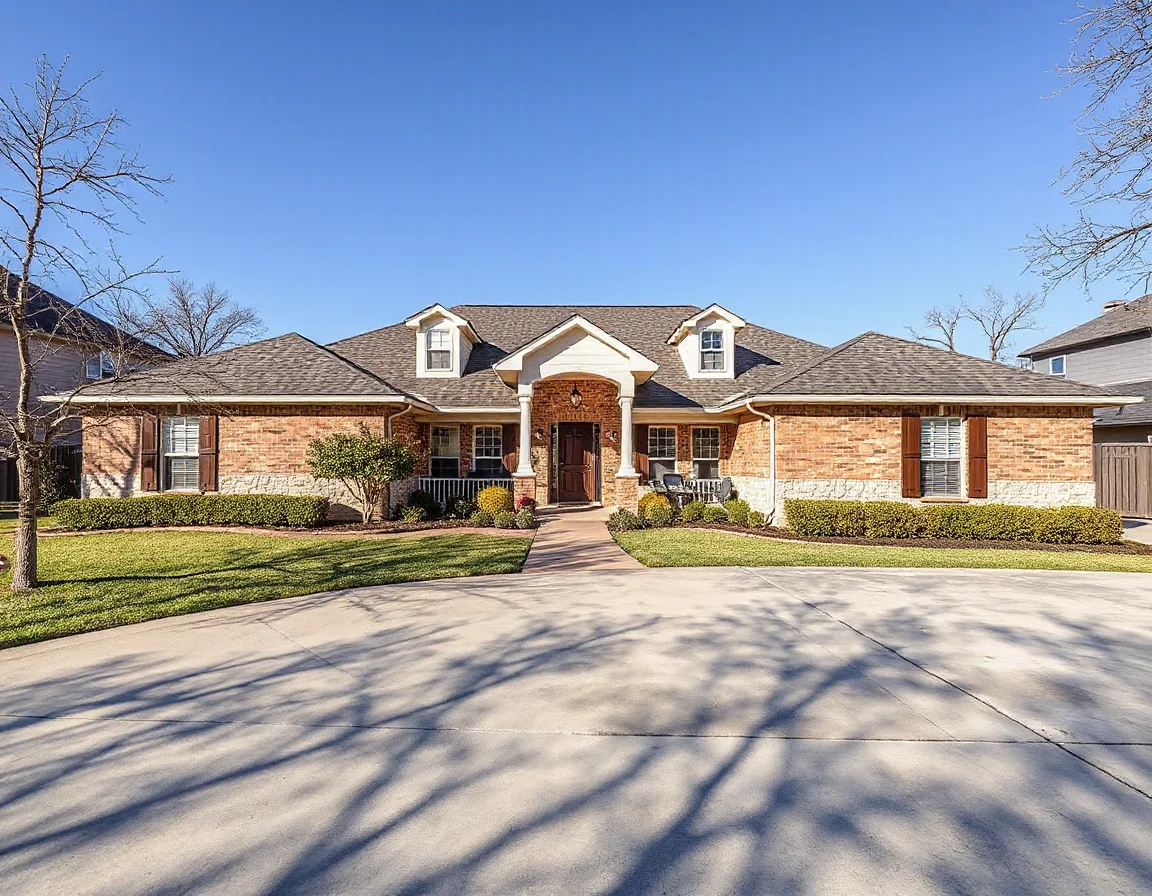
In practical terms, stretching further can mean several things: getting an extra bedroom, finding a home with a newer roof or HVAC system, securing outdoor space, or reducing the amount of renovation needed right away. Buyers watching monthly payment totals should also think about property taxes, insurance, utility costs, and whether a neighborhood has HOA fees. A lower price on paper does not always translate into lower ownership costs over time.
That is why a side-by-side comparison between these two locations is useful. Both are within reach for many shoppers in this price range, yet they often deliver noticeably different housing options. One may give you more space and a broader range of older and newer housing stock, while the other may offer stronger access to major employment corridors and a different pace of day-to-day living.
At this budget, even a $10,000 difference in purchase price can affect closing cash, rate options, and your repair reserve. Comparing total monthly cost often reveals more than comparing list price alone.
What $225K may look like in Seguin
Seguin often attracts attention from buyers who want more physical space for their money. In many cases, that budget can put you in the running for detached homes with practical layouts, yards with room to use, and neighborhoods where the streetscape feels less compressed than in tighter urban pockets. Depending on inventory and condition, buyers may see a mix of older homes with character, established subdivisions, and some newer-build options on the edge of town.
Another part of Seguin’s appeal is its location relative to both San Antonio and Austin growth patterns, while still maintaining a more distinct small-city identity. Daily errands, local parks, the Guadalupe River presence, and a historic downtown core all contribute to the area’s draw. For a buyer focused on lot size, storage, or simply having more breathing room between properties, Seguin can feel like a place where the same budget goes a little farther in visible, tangible ways.
That does not mean every $225K listing will be move-in perfect. In this range, buyers may still encounter homes that need cosmetic updates, foundation review, or budgeting for major systems. But if your priority is maximizing square footage or exterior space, Seguin can be a compelling place to search carefully and compare several homes before making a decision.
If commute flexibility matters less than space and value, Seguin may deserve a longer look. It can also offer buyers a wider spread of property types at this price than they expected, especially when they are willing to consider homes that need light improvements rather than turnkey finishes.
How Converse compares on price, access, and housing style
Converse often enters the conversation for buyers who want to stay closer to San Antonio while still shopping below some of the city’s higher-priced pockets. At around $225,000, the search may lean toward smaller detached homes, townhome-style options where available, or properties with more compact lots. In exchange, buyers may gain easier access to Loop 1604, I-10 corridors, and major employment centers around the northeast side of the metro area.

That convenience factor can be a major value point. If a shorter drive to work, faster access to city amenities, or proximity to established retail corridors shapes your weekly routine, then “stretching further” may mean paying for location efficiency rather than extra land. Some buyers are perfectly comfortable trading yard size for reduced drive times and easier connection to the broader San Antonio area.
Housing stock in Converse can also look different from Seguin’s. You may see more subdivisions where homes were built in similar eras, with floor plans that prioritize function and efficient use of space. The result is often a market where buyers need to be decisive, especially when a well-maintained home hits the market at an attractive price point. A house that is clean, updated, and well-positioned for commuting can move quickly.
In Converse, the strongest value at $225K may come from homes that balance solid condition with practical access to major roads. A smaller footprint can still feel like the better buy if it cuts recurring commute time.
For buyers who want to stay connected to the San Antonio metro without jumping to a higher budget, Converse can be a strategic option. The tradeoff is that you may need to compromise on lot size, age of finishes, or the amount of available inventory within your exact target payment.
Questions to ask before choosing one over the other
Instead of asking which city is “better,” it helps to ask which one lines up with your non-negotiables. Start with the basics: How far are you comfortable driving on a normal weekday? How much home maintenance are you willing to take on? Would you rather have a larger yard or quicker access to the metro area? Are you looking for a home you can improve over time, or do you want something that needs as little immediate work as possible?
It is also smart to compare active listings by age, condition, and monthly carrying cost rather than by list price alone. Two homes at the same price can produce very different ownership experiences. One may need appliances, paint, and exterior work right away, while the other may be smaller but already updated. A disciplined comparison keeps buyers from overvaluing square footage while underestimating repair costs.
Market timing matters too. Inventory shifts, seller concessions, and interest-rate changes can all alter what a $225K budget buys from one month to the next. In a tighter market, buyers may need to move quickly on clean listings in Converse. In another stretch, Seguin may present more choices and better room for negotiation, especially on homes that have sat long enough for sellers to adjust expectations.
The bottom line for buyers comparing Seguin and Converse
If your goal is the most house and lot for the money, Seguin may often come out ahead at the $225,000 level. If your goal is staying closer to San Antonio employment and amenities, Converse may deliver better value even when the home itself is somewhat smaller. Neither outcome is automatically right or wrong; it depends on whether your top priority is space, location, condition, or long-term flexibility.

The best approach is to review actual listings in both places at the same time, then evaluate what each property offers beyond the headline price. Look closely at taxes, commute logistics, lot dimensions, renovation needs, and how long similar homes stay on the market. That kind of side-by-side analysis tends to reveal where your budget truly stretches further.
For many buyers, the winning choice comes down to being honest about everyday life. A home that looks cheaper but creates a harder routine may not feel like a bargain later. On the other hand, a property with a longer drive but more room to grow, store, work, or relax may deliver stronger long-term value. The smartest move is not chasing the lowest number; it is choosing the market where your $225K supports the way you actually plan to live.